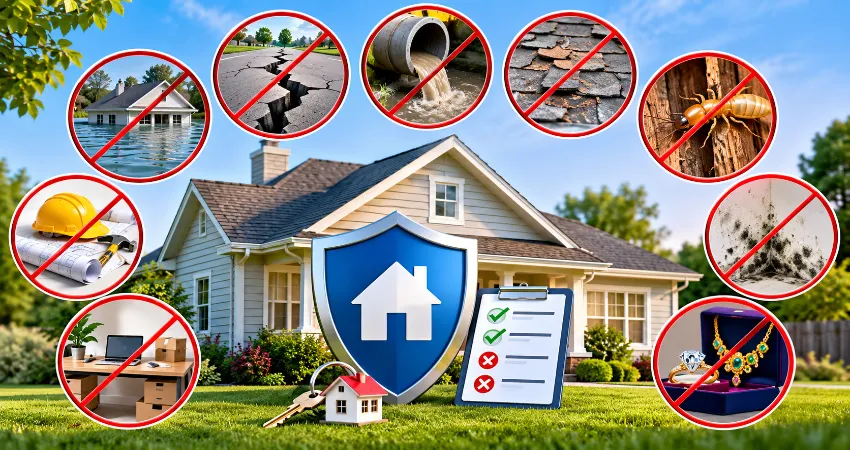
Category: Home Insurance

  • Top 10 Home Insurance Companies In Ireland

    Top 10 Home Insurance Companies In Ireland

    Choosing the right home insurance company in Ireland is an important financial decision. A suitable policy can protect your property, personal belongings, and finances against unexpected events. However, insurance providers differ in their coverage options, exclusions, customer support, and pricing.

    Ireland has several established insurance companies and intermediaries offering protection for homeowners, landlords, and tenants. Some provide insurance directly, while others compare policies from selected underwriters. Understanding these differences helps consumers identify suitable options without paying for unnecessary coverage.

    This guide explores ten home insurance providers and brands in Ireland, explains their key characteristics, and offers practical advice on comparing policies. The list is not a price or customer-satisfaction ranking because the most suitable insurer depends on individual circumstances.

    Top 10 Home Insurance Companies in Ireland

    The following providers offer home insurance products or access to household insurance policies in Ireland. Their suitability depends on property characteristics, coverage requirements, and individual quotations.

    1. Aviva Ireland

    Aviva Ireland is an established insurance provider offering buildings insurance, contents insurance, and combined household protection. Its policies can suit homeowners seeking coverage for both structural damage and personal possessions.

    Aviva also provides contents-only options, which may be relevant to tenants. Customers should examine accidental damage provisions, specified valuables, excess amounts, and optional benefits before purchasing.

    2. Allianz Ireland

    Allianz Ireland provides home insurance with buildings and contents protection. It offers different coverage arrangements so customers can consider the level of insurance appropriate for their property.

    Allianz may be worth comparing for homeowners interested in property protection and additional policy benefits. Buyers should review rebuilding limits, temporary accommodation provisions, and applicable exclusions rather than relying on advertised features alone.

    3. AXA Ireland

    AXA Ireland offers home insurance for customers seeking protection against specified types of household loss or damage. Its home insurance information includes coverage options and additional benefits.

    Customers considering AXA should compare buildings and contents limits, accidental damage options, and restrictions relating to water damage. A detailed quotation helps determine whether its policy offers suitable protection for a particular home.

    4. Zurich Ireland

    Zurich Ireland provides household insurance covering buildings and personal belongings, subject to policy terms. It also publishes guidance about calculating rebuilding costs and selecting suitable home insurance.

    Zurich is worth considering when comparing different levels of property protection. Homeowners should pay particular attention to insured values, optional extensions, and conditions for second homes or properties with unusual occupancy arrangements.

    5. FBD Insurance

    FBD is an Irish insurance provider offering protection for homeowners, renters, and landlords. Its presence in the Irish insurance market makes it another relevant option for household insurance comparisons.

    FBD may interest consumers who prefer dealing with an insurer that has a local branch network. Nevertheless, branch availability should not replace a proper comparison of premiums, coverage limits, exclusions, and claims procedures.

    6. 123.ie

    123.ie is an Irish insurance brand offering home insurance underwritten by Intact Insurance Ireland DAC. Its online services provide another way for consumers to obtain quotations and review household coverage.

    When comparing 123.ie with other providers, examine the full annual premium, policy excess, rebuilding sum insured, and optional protection. Online convenience is useful, but the policy documents determine the actual extent of cover.

    7. An Post Insurance

    An Post Insurance operates as an insurance intermediary, offering household policies through selected insurers, including Aviva and Allianz. This arrangement differs from purchasing directly from a single underwriting company.

    It provides an additional quotation channel for homeowners and customers considering holiday home insurance. Applicants should identify the underwriter named in their quotation because coverage conditions and claims contacts can vary between policies.

    8. AA Ireland

    AA Ireland offers home insurance through its insurance intermediary services. It provides household insurance quotations and publishes consumer information about choosing coverage and understanding policy costs.

    AA Ireland can be useful for customers seeking another quotation alongside direct insurers. Before purchasing, compare the insurer responsible for the policy, the total amount payable, and any optional services included in the quotation.

    9. Bank of Ireland Insurance

    Bank of Ireland offers home insurance through insurance partners, including FBD Insurance and Intact Insurance. Its insurance services provide another purchasing route for homeowners, including mortgage customers.

    Consumers already using Bank of Ireland may find this channel convenient. However, having an existing banking relationship does not automatically make its insurance the most economical choice. Comparing independent quotations remains important.

    10. Chill Insurance

    Chill Insurance is an Irish insurance intermediary that helps customers compare home insurance quotations from its available providers. Its services cover different household circumstances, including homeowners, tenants, and landlords.

    Chill may be useful when exploring several insurance arrangements through one service. Customers should remember that an intermediary’s panel does not necessarily represent the entire market. Direct quotations can provide additional comparisons.

    How to Compare Home Insurance Companies in Ireland?

    Comparing insurance effectively requires more than checking annual premiums. Two policies with similar prices can offer substantially different financial protection.

    Start by reviewing buildings and contents coverage separately. Examine policy excess amounts, accidental damage conditions, flood exclusions, emergency assistance, and alternative accommodation benefits. Request quotations using consistent property details and insured values.

    For example, a policy costing €320 annually with a €500 excess may be less attractive for smaller claims than a €350 policy with a €250 excess. These figures are illustrative, but they demonstrate why price alone cannot establish overall value.

    How Much Home Insurance Coverage Do You Need?

    Buildings insurance should generally reflect the cost of rebuilding your property, not its selling price. Rebuilding estimates may include demolition, professional fees, materials, labour, and site clearance.

    The Society of Chartered Surveyors Ireland provides a House Rebuild Calculator for eligible property types. Owners of unusual, historic, or significantly modified properties may need an individual professional assessment.

    Contents insurance should reflect the replacement value of belongings such as furniture, appliances, clothing, and electronics. Creating a room-by-room inventory can help avoid overlooking valuable possessions.

    Common Home Insurance Mistakes to Avoid

    One important mistake is underinsurance. If a home is insured for less than its actual rebuilding cost, an average clause may reduce a claim payment. For example, insuring a €400,000 rebuilding liability for only €300,000 could expose the homeowner to a substantial shortfall.

    Other mistakes include overlooking flood restrictions, failing to disclose property alterations, and assuming every valuable item receives automatic protection outside the home.

    Consumers should also disclose relevant occupancy arrangements, including extended vacancies and rental use. Policies can contain restrictions that become important when an unexpected claim occurs.

    Frequently Asked Questions About Home Insurance in Ireland

    1. Which home insurance company is best in Ireland?

    No single provider is best for every household. Aviva, Allianz, AXA, Zurich, and FBD are among the established insurers worth comparing. The right choice depends on your home’s characteristics, coverage requirements, policy exclusions, and personalised quotations.

    2. Is home insurance mandatory in Ireland?

    Home insurance is not generally required by law for someone who owns their property outright. However, mortgage lenders normally require adequate buildings insurance to protect the property securing the loan. Contents insurance is usually a separate personal decision.

    3. What does standard home insurance cover?

    Typical policies cover specified risks affecting a building, its contents, or both. These may include fire, storm damage, theft, and certain escape-of-water incidents. Actual protection depends on policy wording, coverage limits, exclusions, and whether optional benefits have been selected.

    4. How much does home insurance cost in Ireland?

    Premiums vary according to location, rebuilding value, property construction, security arrangements, claims history, and chosen excess. There is no reliable single price suitable for every Irish home. Obtaining several personalised quotations is the most practical way to establish your likely cost.

    5. Can tenants purchase home insurance?

    Yes. Tenants can usually purchase contents insurance to protect their belongings against insured events. The landlord typically arranges buildings insurance, although tenants should clarify responsibilities under their rental agreement and consider any relevant personal liability protection.

    6. Does home insurance cover flooding in Ireland?

    Flood protection may be included in household policies, but availability can depend on location, previous flooding, and insurer conditions. Some properties face exclusions or restrictions. Always confirm the applicable flood terms in writing before buying insurance.

    7. What is the difference between buildings and contents insurance?

    Buildings insurance protects the physical structure and usually includes permanent fixtures. Contents insurance protects eligible movable belongings within the property. Homeowners often purchase combined coverage, while tenants may require only contents protection.

    8. Can I switch home insurance companies annually?

    Yes. You can compare providers before renewal and arrange replacement protection. Ensure the new policy begins when the previous policy ends so there is no coverage gap. Check cancellation conditions and notify your mortgage lender where appropriate.

    9. How can I reduce my home insurance premium?

    Compare multiple quotations, review unnecessary optional benefits, and select an excess you could comfortably afford. Accurate rebuilding estimates and appropriate security arrangements can also help. Never reduce insured values below genuine replacement or rebuilding costs simply to obtain a cheaper quotation.

    10. What should I do when making a home insurance claim?

    Contact your insurer promptly, follow its reporting instructions, and document the damage using photographs and relevant records. Take reasonable steps to prevent further loss while keeping receipts for emergency expenses. Ask the insurer before arranging substantial permanent repairs.

    Conclusion

    Ireland offers several established home insurance providers, including direct insurers and insurance intermediaries. The most suitable policy is not necessarily the cheapest. Comparing coverage, excess amounts, rebuilding values, exclusions, and claims arrangements helps homeowners make better-informed decisions and protect their property effectively.


  • Top 10 Flood Insurance Options For US Homeowners

    Top 10 Flood Insurance Options For US Homeowners

    Flooding can cause extensive damage to American homes, whether the water comes from coastal storms, overflowing rivers, or heavy rainfall. Unfortunately, standard homeowners insurance generally does not cover damage caused by flooding. Homeowners usually need a separate flood insurance policy to protect their property against these losses.

    Finding suitable flood insurance involves more than comparing annual premiums. Coverage limits, deductibles, waiting periods, exclusions, and the insurer’s financial responsibilities all deserve attention. Some policies provide basic structural protection, while others offer additional coverage for personal belongings, temporary housing, or expensive properties.

    This guide examines ten flood insurance options available to US homeowners, including federal policies, private insurance programs, and companies that distribute government-backed coverage. It also explains how to compare policies and make an informed decision based on your home’s particular risks.

    Why Flood Insurance Matters for Homeowners?

    Flood damage can affect foundations, flooring, electrical systems, appliances, and personal belongings. Even homes outside designated high-risk flood zones may experience water damage from unusual rainfall or inadequate drainage. According to the National Association of Insurance Commissioners (NAIC), homeowners generally must obtain separate flood coverage through the National Flood Insurance Program (NFIP) or private insurers. Mortgage lenders may also require coverage for certain properties in high-risk areas.

    Top 10 Flood Insurance Options for US Homeowners

    1. National Flood Insurance Program (NFIP)

    The NFIP, administered by the Federal Emergency Management Agency (FEMA), is a major federal flood insurance option. For eligible residential properties, it provides up to $250,000 in building coverage and $100,000 in personal property coverage. Policies generally have a 30-day waiting period, although certain exceptions apply. The NFIP is worth considering for homeowners seeking standardized federal coverage, particularly where private alternatives are limited. However, its limits may be insufficient for expensive homes, and temporary living expenses are generally excluded.

    2. Neptune Flood Insurance

    Neptune offers private flood insurance with potentially higher coverage limits than the NFIP. Depending on eligibility and policy terms, coverage may include certain basement contents, detached structures, and temporary living expenses. Neptune also provides online quoting capabilities and a generally shorter waiting period than standard NFIP coverage. Homeowners with higher rebuilding costs or belongings requiring additional protection may find Neptune worth comparing. However, its underwriting requirements, available benefits, and premiums depend on the individual property.

    3. Aon Edge EZ Flood

    Aon Edge provides private flood insurance through its EZ Flood program for qualifying residential properties. It offers building and contents coverage beyond standard federal limits, with optional features that may include additional living expenses. This makes it a possible alternative for homeowners who need broader financial protection. Eligibility varies by location and property characteristics. Before purchasing, homeowners should review the actual insurance carrier, applicable exclusions, deductibles, and the policy’s effective date rather than relying only on advertised coverage features.

    4. Chubb Personal Flood Insurance

    Chubb offers personal and excess flood insurance for eligible Chubb homeowners policyholders. Its specialized coverage may include higher property limits, replacement cost protection, and additional living expenses following qualifying flood damage. This option deserves consideration for owners of higher-value homes where federal coverage limits could leave significant rebuilding expenses unpaid. However, availability and policy conditions vary, and Chubb’s flood products are not universally accessible to every homeowner. Comparing the terms with an NFIP policy is essential.

    5. PURE Flood Insurance

    PURE Insurance offers flood protection designed for eligible homeowners, particularly those with substantial property insurance needs. Its admitted flood coverage may be provided through an endorsement to a homeowners policy rather than a separate federal policy. The arrangement can appeal to homeowners seeking coordinated property protection. However, eligibility, covered locations, and available limits depend on underwriting and the specific insurance contract. A broker can explain whether PURE’s flood endorsement or another product is appropriate for a particular residence.

    6. Beyond Floods Private Insurance

    Beyond Floods is another private flood insurance program homeowners can investigate through participating insurance professionals. It provides an alternative to federal flood coverage for qualifying properties. The primary reason to request a quote is to determine whether its pricing, deductibles, and available protection compare favorably with an NFIP policy. Homeowners should verify which insurance company underwrites the coverage, confirm the claims process, and carefully review exclusions. Availability cannot be assumed for every state or flood zone.

    7. Wright Flood Insurance

    Wright Flood is a prominent provider of NFIP policies through FEMA’s Write Your Own program. This means homeowners can obtain government-backed flood insurance through Wright while receiving the standardized coverage terms established by the NFIP. Wright may be useful for consumers who prefer working with an established flood insurance servicing company or an insurance agent. Importantly, choosing Wright does not increase the NFIP’s federal coverage limits. For additional protection, homeowners should separately investigate private or excess flood insurance.

    8. Selective Insurance

    Selective Insurance distributes NFIP flood insurance through its participating insurance professionals. Eligible homeowners can obtain building and personal property coverage under federal policy rules. Selective also offers flood insurance information, claims guidance, and policyholder support resources. This option can be convenient for homeowners whose existing independent insurance agent already works with Selective. Because NFIP rates are standardized for identical rating information, homeowners should compare service accessibility and administrative convenience rather than expecting different federal rates from different participating companies.

    9. Assurant Flood Insurance

    Assurant participates in the flood insurance market and services NFIP and private flood policies. It provides policyholder resources for claims, renewals, and account management. Homeowners interested in Assurant should determine whether their quoted policy is federal or privately underwritten because the coverage conditions can differ substantially. The NFIP version follows federal rules, while a private policy may have different limits and exclusions. Reviewing the declarations page and complete policy wording will help prevent confusion about what protection is actually included.

    10. American Family Insurance

    American Family Insurance participates in the NFIP, providing access to separate federal flood coverage through eligible insurance channels. This can be useful for homeowners who already maintain other property insurance through the company and prefer familiar agent assistance. Nevertheless, an NFIP policy purchased through American Family remains subject to the federal program’s applicable rules and limits. Homeowners requiring broader protection should ask about additional private coverage or consult an independent insurance professional for alternatives.

    Flood Insurance Options Compared

    The following table highlights the principal differences between these options. The descriptions are general, and actual policy eligibility and benefits must be verified before purchase.

    Insurance Option Coverage Type Potential Advantage
    NFIP Federal Standardized federal coverage
    Neptune Private Higher limits and optional benefits
    Aon Edge Private Flexible residential protection
    Chubb Private Higher-value property coverage
    PURE Private Flood coverage integrated with eligible home policies
    Beyond Floods Private Alternative private coverage
    Wright Flood NFIP provider Federal policy servicing
    Selective NFIP provider Agent support
    Assurant NFIP and private Multiple insurance channels
    American Family NFIP provider Existing agent relationships

    How to Choose the Right Flood Insurance?

    Start by estimating the cost of rebuilding your home rather than using its market value. For example, if reconstruction would cost $400,000, the NFIP’s $250,000 building limit could leave a substantial coverage gap. Next, inventory your belongings and compare contents protection, basement restrictions, deductibles, and temporary accommodation benefits. Request comparable quotes from federal and private options whenever available.

    Also confirm the waiting period and your mortgage lender’s insurance requirements. If you plan to replace an existing NFIP policy, ask whether returning later could affect any applicable pricing benefits. Finally, verify the insurer’s licensing or authorized status through your state insurance department before making a purchase.

    Frequently Asked Questions About Flood Insurance

    1. Is flood insurance required for every US homeowner?

    No. Federal law does not require every homeowner to carry flood insurance. However, certain federally regulated or federally backed mortgages require coverage when the property is located in a designated high-risk flood area. Even without a requirement, voluntary coverage can protect homeowners against unexpected financial losses.

    2. Does regular homeowners insurance cover flooding?

    Standard homeowners policies generally exclude flooding caused by rising surface water, river overflow, or storm surge. Some types of sudden internal water damage may be covered, but these are different insurance events. Homeowners should examine their policies to understand the distinction.

    3. How much does flood insurance cost annually?

    Annual premiums vary according to property location, flood exposure, building characteristics, selected coverage, and deductibles. Private insurers may assess risk differently from the NFIP. Homeowners should request property-specific quotes rather than relying on a national average when planning their insurance budget.

    4. Can homeowners purchase flood insurance outside high-risk zones?

    Yes. Many properties outside high-risk zones are eligible for flood insurance. Lower mapped risk does not mean flooding is impossible. Homeowners near drainage channels, low-lying roads, or areas with recurring heavy rainfall may still benefit from assessing their exposure.

    5. What is the main difference between federal and private flood insurance?

    Federal NFIP policies follow standardized coverage rules and limits. Private policies may offer higher limits, different deductibles, and additional features. However, private coverage is subject to individual underwriting decisions, policy exclusions, renewal terms, and insurer-specific conditions.

    6. How long does flood insurance take to become effective?

    New NFIP policies typically have a 30-day waiting period, with exceptions for certain loan transactions and qualifying flood map changes. Private policies may have shorter waiting periods. Always confirm the effective date in writing before assuming coverage has begun.

    7. Does flood insurance cover personal belongings?

    Many policies provide contents protection for eligible furniture, appliances, clothing, and other personal property. NFIP contents coverage must be purchased separately from building coverage. Special restrictions apply to basement belongings, and payment may depend on how the policy values damaged items.

    8. Can flood insurance pay for temporary accommodation?

    Standard NFIP coverage generally does not reimburse temporary living expenses. Some private policies offer additional living expense benefits when covered flood damage makes a home uninhabitable. These benefits may have daily limits, maximum payments, or other eligibility conditions.

    9. Can homeowners switch from NFIP to private insurance?

    Yes, provided a suitable private policy is available and accepted by the mortgage lender when required. Before switching, compare coverage dates, cancellation rules, exclusions, and future pricing implications. Maintaining continuous protection is especially important when changing insurers.

    10. How can homeowners find reliable flood insurance providers?

    Begin with FEMA’s FloodSmart resources and your state insurance department. A licensed independent agent can also help compare federal and private policies. Review the insurer’s financial standing, written coverage terms, complaint information, and claims procedures before choosing a provider.

    Conclusion

    The best flood insurance option depends on your home’s flood exposure, rebuilding cost, coverage needs, and budget. The NFIP offers standardized federal protection, while private programs such as Neptune, Aon Edge, Chubb, and others may provide additional flexibility. Comparing written quotes, understanding exclusions, and confirming effective dates can help homeowners select protection that fits their circumstances.

    Disclaimer: This article is for general educational purposes and does not constitute personalized insurance or financial advice. Insurance availability, policy terms, eligibility, and pricing may change. Always confirm details with a licensed insurance professional and review the complete policy before purchasing.

  • Top 10 Landlord Insurance Policies In The UK

    Top 10 Landlord Insurance Policies In The UK

    Owning a rental property in the UK can provide a valuable source of income, but it also brings financial responsibilities. Unexpected events such as flooding, fire, accidental damage, or legal disputes can create significant expenses. Choosing suitable landlord insurance helps property owners manage these risks and protect their investment.

    With numerous insurers and specialist brokers offering different levels of protection, finding the right policy can be challenging. Some policies focus on buildings and contents, while others offer additional protection for rental income, legal expenses, and property emergencies. Understanding these differences is essential before making a decision.

    This guide compares ten established landlord insurance options available in the UK in 2026. It examines their main features, potential advantages, and important limitations, helping landlords identify suitable cover for individual properties or larger portfolios.

    What Is Landlord Insurance?

    Landlord insurance is designed for properties rented to tenants. Unlike standard home insurance, it addresses risks associated with letting a property, including certain liability claims and damage to landlord-owned fixtures or contents.

    Buildings insurance protects the structure against specified insured events. Contents insurance can protect furniture and appliances belonging to the landlord. Depending on the policy, additional protection may include loss of rent following insured damage, property owners’ liability, legal expenses, and rent guarantee insurance.

    Landlord insurance is generally not legally compulsory in the UK, although mortgage lenders commonly require appropriate buildings insurance. Standard home insurance may not adequately cover a tenanted property.

    Top 10 Landlord Insurance Providers in the UK

    The following providers offer different approaches to rental property protection. Their positions are not a ranking based on price or claims performance. Availability, premiums, exclusions, and eligibility depend on individual circumstances.

    1. Alan Boswell Group Landlord Insurance

    Alan Boswell Group provides specialist landlord insurance for individual buy-to-let properties and more complex rental arrangements. Its available protection includes buildings, landlord contents, property owners’ liability, and optional legal expenses or rent guarantee cover.

    One advantage is access to specialist advice when arranging insurance for unusual properties or multiple rentals. Which?’s 2026 landlord insurance review also identified an Alan Boswell policy underwritten by Aviva as a Best Buy.

    Suitable for: Landlords seeking specialist guidance, particularly those managing multiple properties or requiring additional protection.

    2. Direct Line for Business Landlord Insurance

    Direct Line for Business offers buy-to-let insurance covering specified risks such as fire, storms, flooding, and burst pipes. Optional protection includes accidental damage, legal expenses, landlord emergencies, and loss of rent.

    Rent guarantee protection is available through qualifying optional legal expenses cover. Landlords should distinguish this from loss-of-rent insurance following physical property damage because the two protect against different circumstances.

    Suitable for: Residential landlords wanting to customise their protection through optional covers.

    3. AXA Landlord Insurance

    AXA offers insurance for residential rental properties, including buildings protection and options for landlord contents. It also provides insurance arrangements for landlords with multiple properties, subject to underwriting requirements.

    AXA states that its landlord policy can insure up to ten properties under one policy. This may simplify administration for landlords expanding their portfolios. However, applicants should review the relevant property types, occupancy conditions, and individual cover limits.

    Suitable for: Landlords with one or several residential properties who prefer managing cover through an established insurer.

    4. LV= Landlord Insurance

    LV= provides landlord buildings insurance that includes property owners’ liability protection. Its cover also addresses certain lost rental income or alternative accommodation costs when an insured event makes the property uninhabitable.

    Optional home emergency and legal expenses products can provide further assistance. However, LV= distinguishes legal help with recovering unpaid rent from rent guarantee insurance, which is not included in its landlord offering.

    Suitable for: Landlords prioritising buildings protection, liability cover, and support following insured property damage.

    5. Simply Business Landlord Insurance

    Simply Business operates as an insurance broker, allowing landlords to compare policies from different insurers rather than relying on one insurance provider. Available options can include buildings, contents, liability, and additional landlord-specific protection.

    This comparison approach may help property owners examine prices and benefits across multiple quotations. Nevertheless, the cheapest quotation may exclude valuable features, so customers should examine the complete policy schedule before purchasing.

    Suitable for: First-time landlords and property owners who want to compare insurance quotations online.

    6. HomeLet Landlord Insurance

    HomeLet specialises in services connected with residential lettings. Its landlord insurance offering includes buildings and contents protection, alongside options addressing accidental damage, liability, and rental income risks.

    HomeLet also provides rent guarantee insurance, which can be relevant when landlords depend on consistent monthly rental payments. Eligibility conditions and claims requirements are important, particularly where tenant referencing or documentation is required.

    Suitable for: Residential landlords particularly concerned about rental income protection and tenancy-related risks.

    7. Total Landlord Insurance

    Total Landlord Insurance offers specialist buildings and contents products, including Essential and Premier packages. Its advertised protection includes specified events such as fire, flooding, and weather-related property damage.

    Both packages include landlord liability and loss-of-rent protection, with differences in cover features. Legal expenses and rent protection are available separately. Comparing the two packages can help landlords avoid paying for features they do not need.

    Suitable for: Property owners seeking specialist landlord insurance with a choice of protection levels.

    8. CIA Landlords Insurance

    CIA Landlords is a specialist insurance broker offering access to policies from a panel of insurers. Customers can explore buildings-only, contents-only, or combined insurance depending on their ownership arrangements.

    The company also arranges specialist cover for properties that remain unoccupied for extended periods. This is particularly relevant during substantial renovations or lengthy gaps between tenancies, when ordinary policies may restrict protection.

    Suitable for: Landlords with unusual occupancy arrangements, vacant properties, or specific insurance requirements.

    9. Just Landlords Insurance

    Just Landlords provides dedicated insurance products for rented residential properties. Its published offering includes buildings and contents protection alongside property owners’ liability and other landlord-related covers.

    Its specialist approach may appeal to owners who prefer a product designed specifically for rental accommodation. Applicants should examine accidental damage conditions, claims excesses, and exclusions rather than relying solely on the number of advertised benefits.

    Suitable for: Residential landlords seeking dedicated property insurance with a broad selection of features.

    10. Saga Landlord Insurance

    Saga offers landlord insurance through a partnership with Uinsure, which works with insurers to provide rental property protection. Its offering is aimed at Saga’s eligible customer base, particularly older property owners.

    The arrangement provides another comparison option for eligible landlords. Because cover is supplied through an insurance partnership, customers should identify the actual underwriter and examine its policy wording, claims process, and applicable exclusions.

    Suitable for: Eligible older landlords who want to explore insurance through the Saga brand.

    Landlord Insurance Comparison Table

    This table highlights the main reason to consider each provider. It does not imply that every feature is included automatically.

    Provider Main Strength Potential Fit
    Alan Boswell Group Specialist advice Complex or multiple properties
    Direct Line Optional protection Flexible residential cover
    AXA Multi-property options Growing portfolios
    LV= Buildings and liability Conventional rental properties
    Simply Business Insurer comparison Online quotation shopping
    HomeLet Rent guarantee options Income protection priorities
    Total Landlord Tiered packages Specialist cover selection
    CIA Landlords Unoccupied property options Specialist occupancy needs
    Just Landlords Dedicated landlord products Residential rentals
    Saga Insurance partnership Eligible older landlords

    How Much Does Landlord Insurance Cost in the UK?

    Premiums depend on the property’s location, rebuilding cost, construction, claims history, tenant arrangements, and selected protection. Landlords with furnished accommodation may also require contents cover, increasing the total premium.

    Alan Boswell Group’s published 2026 insurance statistics provide useful market context, but its figures reflect its own data rather than every UK insurer. Instead of relying on a national average, landlords should obtain several quotations using identical property information and comparable protection limits.

    How to Choose the Right Landlord Insurance?

    Start by identifying the property’s rebuilding cost rather than its market value. Then consider landlord-owned contents, liability limits, the excess payable on claims, and whether additional protection is necessary.

    For example, a landlord renting an unfurnished flat may need limited contents protection, particularly if the freeholder already insures the building. A landlord providing furnished accommodation may need substantially more. Always confirm what the block policy actually covers.

    Also review exclusions for gradual deterioration, maintenance problems, prolonged vacancy, and changes in occupancy. If rental income is important, check whether the policy protects against unpaid rent, insured physical damage, or both.

    Frequently Asked Questions

    1. Is landlord insurance compulsory in the UK?

    Landlord insurance is generally not a statutory requirement. However, buy-to-let mortgage agreements commonly require appropriate buildings insurance. Landlords should also consider the financial consequences of property damage and liability claims without suitable protection.

    2. Does landlord insurance cover unpaid rent?

    Not automatically. Rent guarantee insurance is normally a separate benefit or optional product. It may pay qualifying rent arrears when specified conditions are met. Tenant referencing, waiting periods, and maximum payment durations should be checked carefully.

    3. Does landlord insurance cover tenant damage?

    Some policies cover accidental or malicious damage by tenants, but protection varies significantly. General deterioration and ordinary wear and tear are typically excluded. Review the relevant definitions, excesses, and evidence requirements before relying on this protection.

    4. Can I use ordinary home insurance for a rental property?

    Ordinary residential home insurance may not provide adequate protection once tenants occupy the property. Insurers need accurate information about how a property is used. Inform your insurer before letting your home and arrange appropriate cover.

    5. Is landlord contents insurance necessary?

    It depends on what you provide. Furnished properties containing landlord-owned furniture or appliances may benefit from contents protection. Tenants generally need separate insurance for their personal belongings, which landlord policies do not normally insure.

    6. Does landlord insurance cover empty properties?

    Many policies restrict certain benefits after a property remains vacant beyond a specified period. Some insurers offer dedicated unoccupied property insurance. Inform your provider about extended vacancies and confirm any inspection or security requirements.

    7. What is property owners’ liability insurance?

    This protection addresses qualifying legal liability claims involving injury or property damage connected with the insured premises. For example, a visitor might claim compensation following an incident caused by a defect for which the landlord is legally responsible.

    8. Can landlords insure multiple properties together?

    Yes. Some insurers and brokers provide multi-property or portfolio arrangements. These can simplify administration and renewal management. However, each property’s construction, occupancy, and insurance requirements must be accurately declared.

    9. What is the difference between loss of rent and rent guarantee?

    Loss-of-rent insurance generally responds when insured physical damage makes accommodation unusable and qualifying rental income is lost. Rent guarantee insurance addresses specified tenant payment failures. The two benefits have different triggers, limits, and exclusions.

    10. How can landlords reduce insurance premiums?

    Compare equivalent quotations, maintain the building, improve appropriate security, and consider an affordable voluntary excess. Accurate rebuilding valuations also help avoid unsuitable cover. Avoid removing important benefits merely to achieve a lower annual premium.

    Conclusion

    The best landlord insurance policy in the UK depends on your property, tenancy arrangements, and financial priorities. Providers such as Alan Boswell Group, Direct Line, AXA, and specialist brokers offer different advantages.

    Comparing policy wording, exclusions, liability limits, and optional protection is more useful than selecting insurance based on price alone. Review your requirements annually to keep your rental property appropriately protected.

  • Top 10 Things Home Insurance Won’t Cover In The US

    Top 10 Things Home Insurance Won’t Cover In The US

    Homeowners insurance provides important financial protection against unexpected property damage, theft, and certain liability claims. However, many American homeowners assume their policies cover virtually every disaster or expensive repair. In reality, standard home insurance includes exclusions, coverage restrictions, and payment limits that can leave property owners responsible for substantial expenses.

    Understanding what home insurance does not cover is particularly important when purchasing a house, renewing a policy, or preparing for natural disasters. For example, damage from a burst water pipe might qualify for coverage, while flooding from an overflowing river generally requires separate insurance. The difference depends on how the damage occurred and the terms of the policy.

    This guide explains ten common homeowners insurance exclusions in the United States, why they matter, and practical steps to reduce coverage gaps. Policies differ by insurer, state, and coverage form, so homeowners should always review their actual insurance documents before making financial decisions.

    1. Flood Damage

    Flood damage is one of the most significant exclusions in standard homeowners insurance. Water entering a home because of overflowing rivers, coastal storm surge, or widespread surface flooding generally is not covered. This distinction matters because regular homeowners coverage may protect against certain sudden indoor plumbing failures but not rising water from outside.

    Homeowners can explore separate flood policies through FEMA’s National Flood Insurance Program (NFIP) or private insurers. According to the National Association of Insurance Commissioners (NAIC), flood exposure exists even outside designated high-risk areas. NFIP policies generally have a 30-day waiting period, although exceptions apply. Reviewing local flood maps and purchasing coverage before a storm approaches are sensible precautions.

    2. Earthquakes and Earth Movement

    Standard home insurance generally excludes damage directly caused by earthquakes and other forms of earth movement. Cracked foundations, collapsed walls, and structural displacement resulting from an earthquake can create major repair expenses.

    Homeowners in California, Alaska, Washington, and other earthquake-prone regions should investigate dedicated earthquake coverage. It may be available through a separate policy or endorsement. Earthquake deductibles can differ considerably from regular homeowners deductibles and may be calculated as a percentage of the insured dwelling amount. Coverage for sinkholes and other ground movement varies by state, making local policy terms especially important.

    3. Sewer Backups and Drain Overflows

    A sewage backup can damage flooring, furniture, electrical systems, and stored belongings. Yet standard homeowners policies commonly exclude water entering through backed-up sewers, drains, or sump systems.

    For example, if a municipal sewer line becomes obstructed and wastewater enters a basement, the resulting damage might not qualify under ordinary homeowners coverage. Water backup endorsements can help address this exposure. However, coverage limits, exclusions, and definitions differ. Homeowners should also inspect sump pumps, maintain drainage systems, and ask whether the endorsement covers sump pump failure.

    4. Normal Wear and Tear or Poor Maintenance

    Home insurance is primarily designed for covered unexpected losses rather than routine property upkeep. Aging roofs, deteriorating plumbing, worn flooring, and equipment that gradually stops functioning generally are maintenance responsibilities.

    Consider a roof that slowly develops leaks because damaged shingles were never repaired. An insurer may deny damage attributable to gradual deterioration. By comparison, sudden roof damage from a covered windstorm may qualify, subject to the policy’s conditions and deductibles.

    Regular inspections, prompt repairs, and dated maintenance records help homeowners protect their properties and document their condition.

    5. Termite, Rodent, and Other Pest Damage

    Damage caused by termites, rodents, and other infestations is typically excluded from standard homeowners insurance. Insurers generally consider pest prevention and treatment part of maintaining a property rather than an unexpected insured event.

    For instance, termites that gradually weaken wooden support beams can create expensive structural problems without triggering a covered claim. Similarly, rodents chewing electrical wiring may leave homeowners responsible for repairs.

    Professional pest inspections, moisture control, sealed entry points, and timely treatment can reduce these risks. Before purchasing an older property, buyers should consider obtaining a specialized pest inspection.

    6. Mold and Long-Term Moisture Damage

    Mold can develop after prolonged moisture exposure, leaking pipes, or inadequate ventilation. Standard homeowners policies often exclude mold caused by ongoing leaks, humidity, or neglected maintenance.

    However, mold-related coverage is not always completely unavailable. Some policies provide limited protection when mold directly results from a covered sudden event, such as an unexpected pipe burst. Special restrictions or dollar limits may still apply.

    Homeowners should investigate leaks quickly, dry affected areas, maintain ventilation, and document water damage. Asking the insurer about mold remediation limits is particularly useful for homes with basements or recurring moisture problems.

    7. Expensive Jewelry, Artwork, and Collectibles Beyond Policy Limits

    Homeowners insurance commonly includes personal property protection, but expensive belongings can have special reimbursement limits. Jewelry, fine art, antiques, collectibles, and certain other valuable items may not receive their full replacement value under ordinary coverage.

    For example, a stolen necklace valued at $8,000 may exceed the applicable jewelry theft limit. Even though theft itself is a covered event, the reimbursement could be considerably lower than the necklace’s value.

    Scheduled personal property coverage or other specialized endorsements may offer broader protection. Homeowners should maintain photographs, purchase receipts, and appropriate appraisals. It is also important to distinguish theft-specific limits from the limits applicable to other causes of loss.

    8. Home-Based Business Equipment and Liability

    Operating a business from home does not automatically mean business-related property and activities receive full protection under a homeowners policy. Business inventory, specialized equipment, and certain liability claims may be excluded or covered only up to small limits.

    For instance, a homeowner running an online retail business may discover that damaged merchandise stored in a spare bedroom is not fully insured. Likewise, an injury involving a visiting business customer may raise liability coverage questions.

    Business owners should disclose their activities to their insurer and consider a home-business endorsement, specialized business property policy, or appropriate commercial insurance.

    9. Building Code Upgrades After a Covered Loss

    Rebuilding a damaged home can involve additional expenses when local building codes have changed since the property was constructed. Standard policies may exclude or limit the extra costs required to comply with newer regulations.

    Imagine an older house suffering substantial fire damage. Although the fire itself is covered, local authorities might require updated electrical systems or structural improvements during reconstruction. Those upgrades could cost more than repairing the original damage.

    Ordinance or law coverage can help pay certain additional compliance expenses. Homeowners with older properties should review whether their policy includes this protection and whether its limit is sufficient.

    10. Intentional Damage and Deliberate Property Destruction

    Home insurance generally does not cover losses intentionally caused by an insured person when the policy’s intentional-loss exclusion applies. Insurance is intended to protect against qualifying unforeseen events, not deliberate destruction.

    For example, intentionally damaging insured property and then submitting a claim as though the damage were accidental may result in denial and serious legal consequences. However, vandalism committed by an unrelated third party is often treated differently and may be covered, depending on the circumstances.

    Homeowners should understand the difference between accidental damage, excluded intentional conduct, and covered vandalism. Policy definitions and applicable state laws can influence the outcome.

    How to Identify and Reduce Home Insurance Coverage Gaps?

    The most effective way to identify missing protection is to review the declarations page, exclusions, endorsements, deductibles, and coverage limits together. The declarations page shows important coverage amounts, but it does not explain every restriction.

    Start by matching coverage to realistic household risks. A coastal property may need particular attention to flood and wind-related provisions, while an older home may benefit from evaluating building code upgrade coverage. Homeowners with expensive belongings should examine special personal property limits rather than relying only on the total contents coverage amount.

    Compare additional coverage costs with the expenses you could reasonably absorb yourself. Request written explanations for unclear provisions, update your home inventory annually, and reassess coverage after renovations or major purchases. Remember that an excluded cause of loss, a deductible, and a coverage limit are three different reasons an insurer might pay less than the full repair cost.

    Frequently Asked Questions

    1. Does homeowners insurance cover every natural disaster?

    No. Standard policies commonly cover certain events such as fire, lightning, and windstorms, but flood and earthquake damage are generally excluded. Coverage for other disasters depends on the location, insurer, policy wording, and applicable endorsements. Review each major hazard individually rather than assuming all natural disasters are included.

    2. Is flood insurance required for every US homeowner?

    No. Flood insurance requirements depend partly on property location and mortgage conditions. Certain properties in high-risk flood areas with federally regulated or insured mortgages must carry flood insurance. Other homeowners may purchase it voluntarily, including those living outside mapped high-risk areas.

    3. Will home insurance pay for a leaking roof?

    It depends on the cause. Sudden damage from a covered storm may qualify, while leaks resulting from deterioration, neglect, or long-term maintenance problems generally do not. The insurer may examine photographs, inspection reports, and the roof’s condition before deciding whether coverage applies.

    4. Does homeowners insurance cover plumbing repairs?

    A policy may cover resulting water damage from a sudden, accidental pipe failure, but replacing the deteriorated pipe itself may remain the homeowner’s responsibility. Gradual leaks and maintenance-related problems are commonly excluded. Coverage also depends on whether the water originated inside the plumbing system or from an excluded source.

    5. Can homeowners add earthquake protection?

    Yes. Earthquake insurance is available through separate policies or endorsements from participating insurers. Buyers should compare structural coverage, personal property limits, temporary housing provisions, and deductibles. Earthquake protection should be evaluated separately from ordinary homeowners coverage because its cost-sharing arrangements can be different.

    6. Are expensive electronics fully covered?

    Not necessarily. Electronics may fall under personal property coverage, but payment depends on the covered cause of loss, policy limits, valuation method, and any applicable exclusions. Devices used primarily for business may face additional restrictions. Maintain purchase records and review coverage after acquiring expensive equipment.

    7. Does home insurance cover mold removal?

    Sometimes, but coverage is often restricted. Mold resulting from long-term moisture, poor maintenance, or humidity is frequently excluded. Limited remediation coverage may apply when mold follows a covered sudden water event. The policy’s cause-of-loss requirements and specific mold limitations determine the available protection.

    8. Will insurance cover damage to a vacant house?

    Coverage can become more restricted when a property remains vacant for a period specified in the policy. Certain losses, including vandalism or water-related damage, may be excluded under vacancy provisions. Owners planning extended absences should notify their insurer and ask about appropriate vacant-property protection.

    9. What happens when a home insurance claim exceeds coverage limits?

    The insurer generally pays eligible losses only up to the applicable policy limit, after considering deductibles and other conditions. Remaining expenses are the policyholder’s responsibility. Homeowners can reduce this exposure by reviewing rebuilding estimates, updating dwelling limits, and examining additional coverage options before a loss occurs.

    10. How often should homeowners review their insurance policies?

    An annual review is a useful starting point, with additional reviews after renovations, major purchases, business changes, or significant changes in local hazards. Verify replacement costs, personal property values, deductibles, and exclusions. A licensed insurance professional can explain available options and help identify important coverage gaps.

    Conclusion

    Understanding what home insurance will not cover helps US homeowners avoid unexpected financial burdens. Floods, earthquakes, maintenance problems, pest damage, and other common exclusions deserve particular attention.

    By reading policy terms carefully, maintaining the property, documenting belongings, and considering appropriate additional protection, homeowners can make more informed decisions about their insurance needs.

    Disclaimer: This article provides general educational information about US homeowners insurance. Actual coverage depends on policy language, state law, endorsements, exclusions, and individual claim circumstances. Consult a licensed insurance professional for guidance specific to your property.

  • Top 10 Cheapest Home Insurance Providers In The UK

    Top 10 Cheapest Home Insurance Providers In The UK

    Finding affordable home insurance in the UK can be challenging, especially when different providers offer different prices for similar properties. Whether you own a house, live in a flat or rent accommodation, choosing suitable insurance helps protect your home and belongings against unexpected damage and financial losses.

    The cheapest home insurance provider is not necessarily the same for everyone. Premiums depend on your postcode, property type, rebuild cost, previous claims, security arrangements and chosen level of protection. Comparing several insurers can help you identify competitive quotes without sacrificing essential coverage.

    This guide examines ten UK home insurance providers worth considering in 2026. It explains their main strengths, important coverage considerations, average insurance costs and practical ways to reduce premiums. The providers are a researched comparison shortlist, not a verified ranking from cheapest to most expensive.

    How Much Does Home Insurance Cost in the UK?

    According to the Association of British Insurers (ABI), the average annual premium for combined buildings and contents insurance reached £389 during July to September 2026. This represents a market average rather than the price any particular household should expect to pay.

    Actual premiums vary considerably. A modern flat with basic contents protection may cost less to insure than a large detached property requiring extensive buildings coverage. Homes in areas with higher flood exposure or previous claims can also attract higher premiums.

    For a meaningful comparison, request quotes using identical property details, coverage limits and excess amounts. Otherwise, a cheaper quotation may simply reflect less protection.

    Top 10 Cheapest Home Insurance Providers in the UK to Compare

    The following providers are established brands or current UK home insurance offerings. Independent market research, comparison-platform listings and policy reviews support their inclusion. Their order does not indicate guaranteed pricing or overall quality.

    1. More Than Home Insurance

    More Than deserves attention from homeowners searching for competitive premiums. Consumer Intelligence reported in its September 2026 market analysis that More Than had become particularly competitive for certain properties after returning to price comparison websites.

    Its position in competitive quote results makes it a useful starting point, but availability and pricing depend on the property and product offered. Compare the buildings and contents limits, excess, exclusions and optional protection before deciding whether a quotation offers good value.

    2. Policy Expert Home Insurance

    Policy Expert is another provider worth checking when looking for affordable buildings and contents insurance. Its products appear on UK comparison platforms, including options designed for customers with different coverage requirements.

    Consumer Intelligence also identified new Policy Expert products appearing among competitive quotes in 2026. Compare available policy levels carefully, particularly accidental damage protection, valuables limits and emergency assistance. The lowest-priced option may not include every feature your household needs.

    3. IKEA Home Insurance Through Urban Jungle

    IKEA entered the UK home insurance market in August 2026 through a partnership with Urban Jungle. The arrangement introduced an additional option for households seeking insurance for their homes and belongings.

    The offering is worth including in a wider comparison because Consumer Intelligence identified IKEA-linked products among competitive market quotes. However, it should not automatically be considered cheaper than established insurers. Check eligibility, product documents, coverage limits and the identity of the insurer providing the actual protection.

    4. Aviva Home Insurance

    Aviva is an established UK insurer offering home insurance products for different household circumstances. It is particularly relevant for customers who want to compare a recognised insurance brand with newer providers.

    Independent market research identified new Aviva products within competitive quote results during 2026. Customers should examine available policy levels, buildings protection, contents coverage and optional benefits. A slightly higher premium may provide better overall value if it includes features that would otherwise require additional payment.

    5. Admiral Home Insurance

    Admiral offers buildings and contents insurance with different product levels. Its home insurance range provides an opportunity to compare more basic protection with policies containing additional features.

    Admiral may also be relevant for households considering multiple insurance products from one provider. However, combining policies does not guarantee the lowest overall cost. Compare the total price against separate quotations from competing insurers and check the conditions attached to each policy.

    6. Tesco Insurance Home Insurance

    Tesco Insurance is a familiar name in the UK insurance market. Its home insurance products cover different property protection requirements, making it a useful option when comparing policies from established providers.

    Which? included Tesco Insurance among its Recommended Providers in its 2026 home insurance assessment. This recognition concerns policy quality and customer experience rather than proof of the lowest premiums. Compare the exact policy offered, including excess levels, exclusions and any applicable additional charges.

    7. Hastings Direct Home Insurance

    Hastings Direct offers home insurance products that can be compared through UK insurance comparison services. It is worth checking alongside other mainstream providers when reviewing buildings-only, contents-only or combined insurance requirements.

    Compare the total annual premium rather than concentrating solely on the initial quotation. Also examine accidental damage options, personal possessions protection, claims excess and administrative fees. These details can significantly influence the actual value of a policy.

    8. Esure Home Insurance

    Esure provides home insurance and appears among the brands reviewed by independent UK insurance comparison organisations. It can be a useful alternative when your existing insurer’s renewal price appears expensive.

    Before choosing an Esure policy, review the buildings and contents limits, applicable excess and important exclusions. If you need protection for expensive portable possessions or accidental damage, check whether these benefits are included or must be purchased separately.

    9. Direct Line Home Insurance

    Direct Line is another established provider to consider when researching affordable UK home insurance. Its products offer different protection options, and its policies are included in independent assessments such as those published by Which?.

    When comparing Direct Line against competitors, examine both the premium and the features included in the quotation. Pay particular attention to alternative accommodation, emergency support, valuable possessions and the claims process. Product benefits vary according to the selected policy.

    10. LV= Home Insurance

    LV= offers home insurance products for homeowners seeking buildings and contents protection. Its policies provide another comparison point for customers who want to evaluate cost alongside coverage quality.

    Check the specific LV= policy wording for protection limits, exclusions, excess requirements and optional benefits. A quotation should be evaluated against your household’s actual needs rather than the insurer’s reputation alone. Pricing and eligibility can change depending on individual circumstances.

    Comparison of the 10 UK Home Insurance Providers

    The following table summarises why each provider may be worth investigating. It does not assign unverified prices or claim that one company is cheaper for every household.

    Provider Main Reason to Compare
    More Than Competitive quotes identified in 2026 research
    Policy Expert Different policy options and competitive market presence
    IKEA / Urban Jungle Newer home insurance offering
    Aviva Established insurer with competitive product options
    Admiral Different policy levels and multi-policy comparisons
    Tesco Insurance Recognised in independent policy assessments
    Hastings Direct Mainstream comparison-platform option
    Esure Alternative provider for renewal comparisons
    Direct Line Established provider with multiple coverage options
    LV= Additional option for comparing coverage and cost

    How to Find Cheaper Home Insurance in the UK?

    Start by obtaining quotations from multiple comparison websites. MoneySavingExpert advises using several services because no single comparison platform covers the entire market. Checking providers directly can also reveal additional options.

    Request quotes before your existing policy expires rather than leaving the process until the final day. Review your buildings rebuild estimate and calculate your contents value carefully. Overestimating unnecessary coverage can increase costs, while underestimating it may leave you inadequately protected.

    Consider increasing your voluntary excess only if you could comfortably afford the amount following a claim. Paying annually may avoid monthly financing charges, although payment arrangements vary between insurers.

    Finally, check whether a combined buildings and contents policy offers better value than separate products. Compare equivalent protection rather than selecting the lowest advertised figure.

    What Should You Check Before Buying Home Insurance?

    Price matters, but a suitable policy should also provide adequate financial protection. Review the buildings rebuild amount, contents replacement value, accidental damage conditions, exclusions, compulsory excess and claims arrangements.

    For example, suppose Policy A costs £190 annually with a £500 total applicable excess, while Policy B costs £220 with a £150 total applicable excess. Although Policy A saves £30 initially, Policy B could produce a lower out-of-pocket cost after one covered claim, assuming otherwise equivalent terms.

    Also read the policy documents before purchasing. The cheapest quotation may exclude situations that are particularly relevant to your home.

    Frequently Asked Questions

    1. Which home insurance provider is the cheapest in the UK?

    There is no universally cheapest provider. Companies calculate premiums using individual property and household information. More Than, Policy Expert and other providers have appeared in competitive market research, but comparing personalised quotations is the most reliable way to identify your lowest suitable price.

    2. What is the average home insurance cost in 2026?

    The ABI reported an average combined buildings and contents premium of £389 annually for July to September 2026. Individual premiums may be considerably higher or lower depending on property location, size, rebuilding requirements, claims history and selected coverage.

    3. Is buildings insurance compulsory in the UK?

    Buildings insurance is not generally required by law. However, mortgage lenders commonly require suitable buildings protection as a condition of borrowing. Homeowners without mortgages can choose whether to purchase it, although remaining uninsured creates significant financial exposure.

    4. Do tenants need home insurance?

    Tenants generally do not need to insure the building itself because that responsibility usually belongs to the landlord. However, contents insurance can protect tenants’ personal possessions. The required protection depends on tenancy arrangements and the value of belongings.

    5. Can I reduce my premium by increasing my excess?

    Choosing a higher voluntary excess can reduce some insurance quotations. However, you would contribute more towards a successful claim. Consider your emergency savings before increasing the excess, and remember that compulsory excess amounts may also apply.

    6. Is combined home insurance cheaper than separate policies?

    Combined buildings and contents insurance can sometimes cost less than purchasing two separate policies, but this is not guaranteed. Request both combined and separate quotations using equivalent coverage limits to determine which arrangement offers better value.

    7. Does home security affect insurance premiums?

    Insurers may consider approved locks, alarms and other security arrangements when assessing household risk. However, discounts are not automatic. Accurately describe existing security features and avoid declaring equipment that has not been installed or maintained.

    8. Can previous claims increase home insurance costs?

    Previous claims can influence future premiums because insurers consider claims history when assessing risk. The impact depends on the claim type, circumstances and provider. Always disclose requested claims information accurately when applying for insurance.

    9. Should I automatically renew my existing policy?

    Automatic renewal can prevent an accidental gap in protection, but comparing alternatives remains worthwhile. FCA rules prevent equivalent renewal prices from exceeding corresponding new-customer prices through the relevant channel, yet another insurer may still offer a more competitive quotation.

    10. How often should I compare home insurance quotes?

    Review your insurance annually, ideally before renewal. You should also reconsider your protection following significant renovations, major purchases or changes in property use. Regular comparisons help identify competitive premiums and ensure coverage remains appropriate.

    Conclusion

    Finding the cheapest home insurance in the UK requires more than comparing headline premiums. Providers such as More Than, Policy Expert, Aviva, Admiral and Tesco Insurance are worthwhile starting points, but the best value depends on your property and coverage requirements.

    Compare several personalised quotations, inspect policy exclusions and select protection that matches your financial needs. The most effective approach balances affordable premiums with reliable, appropriate coverage.

  • Top 10 Home Insurance Companies In The US

    Top 10 Home Insurance Companies In The US

    Choosing the right home insurance company is an important financial decision for homeowners in the United States. A suitable policy can help protect your house, belongings, and personal finances when unexpected property damage occurs. However, insurance providers differ in coverage options, eligibility requirements, pricing, and customer service.

    The US homeowners insurance market includes large national insurers and established regional companies. Some focus on personalized assistance through local agents, while others provide convenient digital tools. Understanding these differences can help homeowners identify coverage that matches their property and budget.

    This guide examines the top 10 home insurance companies in the US based on 2025 direct premiums written, using industry data published by the Insurance Information Institute. It also explains important coverage considerations, practical comparison methods, and common questions homeowners should understand before purchasing a policy.

    Understanding Homeowners Insurance in the United States

    Homeowners insurance generally helps cover damage to a residence, certain personal belongings, personal liability, and additional living expenses following a covered event. Standard policies commonly address incidents such as fire, theft, and certain weather-related damage. However, coverage depends on policy wording, exclusions, and applicable deductibles.

    Most standard homeowners policies do not cover flood or earthquake damage. Homeowners exposed to these risks may need additional protection. Mortgage lenders also typically require borrowers to maintain homeowners insurance throughout the loan period.

    Top 10 Home Insurance Companies in the US

    The following companies represent the ten largest US homeowners insurance groups by direct premiums written in 2025. Market share measures business volume rather than affordability, coverage quality, or customer satisfaction.

    1. State Farm

    State Farm is the largest homeowners insurance provider in the United States by market share. According to 2025 industry figures, the company accounted for approximately 18.7% of US homeowners insurance premiums.

    State Farm provides home insurance through its agent network, with coverage options that depend on location and eligibility. Its policies can include protection for the dwelling, personal property, liability, and temporary living expenses after covered damage.

    The company may appeal to homeowners who prefer discussing coverage with a local representative. However, availability and pricing should be verified for the property’s specific address.

    2. Allstate

    Allstate is another major US insurance provider, holding approximately 9.4% of the homeowners insurance market in 2025. It offers residential property coverage alongside several other personal insurance products.

    Allstate homeowners policies generally address dwelling damage, personal belongings, liability, and additional living expenses. Certain optional protections may be available depending on the state and policy.

    Homeowners considering Allstate should compare available endorsements, deductibles, and discounts. Optional features can be valuable, but their actual cost and coverage limitations deserve careful review.

    3. USAA

    USAA serves eligible military members, veterans, and qualifying family members. It represented approximately 7.0% of the US homeowners insurance market in 2025.

    The company provides homeowners insurance designed for its eligible membership. Its coverage offerings may include protection for residential structures, belongings, liability, and covered additional living expenses.

    USAA is particularly relevant to households connected with military service. However, eligibility restrictions mean it is not an option for every homeowner. Applicants should verify membership qualifications before comparing policies.

    4. Liberty Mutual

    Liberty Mutual is a major insurance group with approximately 5.5% market share in 2025. The company offers homeowners insurance with coverage options that vary by property and location.

    Typical coverage categories include the dwelling, personal belongings, personal liability, and additional living expenses. Eligible customers may also have access to discounts or optional coverage enhancements.

    Liberty Mutual can be considered by homeowners interested in comparing policy customization and online account services. Reviewing the final quote is essential because available features and deductibles can differ considerably.

    5. Farmers Insurance

    Farmers Insurance Group accounted for approximately 5.5% of homeowners insurance premiums in 2025. The group provides property insurance through participating companies and agents.

    Depending on the policy, homeowners may obtain coverage for structural damage, personal belongings, liability, and temporary housing expenses. Additional protection may be available through endorsements.

    Farmers may suit customers who value agent-supported policy discussions. Nevertheless, homeowners should confirm whether coverage is available for their address, particularly in areas facing elevated environmental risks.

    6. American Family Insurance

    American Family Insurance Group held approximately 5.2% of the US homeowners insurance market in 2025. The group offers insurance products through multiple companies and distribution channels.

    Homeowners policies generally address common residential insurance needs, including dwelling protection, personal property, and liability. Specific discounts and optional benefits depend on the issuing insurer.

    American Family is worth investigating where its coverage is offered. Comparing the replacement-cost provisions and deductible structure can help homeowners determine whether a particular policy provides suitable protection.

    7. Travelers

    Travelers represented approximately 4.6% of the US homeowners insurance market in 2025. It is an established property and casualty insurer offering residential coverage through various distribution arrangements.

    Its homeowners insurance options can include dwelling protection, personal belongings, liability coverage, and additional living expenses. Some policies may offer optional endorsements for specific property-related needs.

    Travelers is an option for homeowners comparing traditional insurance coverage with available enhancements. Applicants should evaluate the limits for valuables, roof-related losses, and weather-related damage rather than focusing exclusively on price.

    8. Chubb

    Chubb accounted for approximately 2.5% of US homeowners insurance premiums in 2025. The company is particularly associated with insurance solutions for higher-value homes and households with complex coverage requirements.

    Depending on the product and eligibility, Chubb may provide enhanced replacement-cost provisions, specialized personal property coverage, and broader service features.

    Its policies may deserve attention from owners of expensive properties or valuable collections. However, specialized coverage is not automatically necessary for every home, so comparing costs against actual protection requirements remains important.

    9. Auto-Owners Insurance

    Auto-Owners Insurance represented approximately 2.1% of the US homeowners insurance market in 2025. Despite its name, the company also provides home and other property insurance products.

    Auto-Owners distributes insurance through independent agents in its operating territories. Homeowners can discuss coverage limits, policy exclusions, deductibles, and optional protection with an agent.

    The company may appeal to customers who prefer independent-agent assistance. Because its geographic availability is limited, homeowners should first confirm whether a participating insurer offers coverage in their state.

    10. Erie Insurance

    Erie Insurance held approximately 2.0% of US homeowners insurance premiums in 2025. It primarily operates in selected states and distributes coverage through independent agents.

    Erie offers homeowners policies covering major property and liability needs, subject to individual policy conditions. Available endorsements and replacement-cost features can vary.

    The company also has a notable customer satisfaction record. It ranked among the leading insurers in J.D. Power’s 2025 US Home Insurance Study, although customer satisfaction does not guarantee identical experiences for individual policyholders.

    Comparison of the 10 Largest Home Insurance Companies

    The following table summarizes market shares and important considerations. The percentages reflect 2025 US homeowners insurance direct premiums written, not overall insurance market share.

    Company Market Share Important Consideration
    State Farm 18.7% Local agent network
    Allstate 9.4% Coverage customization
    USAA 7.0% Military eligibility
    Liberty Mutual 5.5% Optional coverage features
    Farmers 5.5% Agent-supported service
    American Family 5.2% Regional availability
    Travelers 4.6% Property coverage options
    Chubb 2.5% Higher-value properties
    Auto-Owners 2.1% Independent agents
    Erie 2.0% Regional customer service

    Important: A larger market share does not necessarily indicate better coverage, lower premiums, or a better claims experience.

    How to Choose the Right Home Insurance Company?

    Start by calculating an appropriate dwelling coverage amount based on rebuilding costs rather than the home’s selling price. Land value generally should not determine the amount needed to rebuild the physical structure.

    Next, obtain comparable quotes from at least three insurers. Use consistent dwelling limits, personal property coverage, liability limits, and deductibles. Review exclusions, roof settlement terms, and replacement-cost provisions before comparing premiums.

    For example, imagine two policies offering similar annual premiums. One includes replacement-cost coverage for qualifying belongings, while the other accounts for depreciation. The difference could significantly affect reimbursement after a covered loss.

    Homeowners should also review insurer financial strength through established rating agencies, examine complaint information through state regulators or the NAIC, and consider independent customer satisfaction research.

    Frequently Asked Questions About Home Insurance

    1. What is the largest home insurance company in the US?

    State Farm is the largest US homeowners insurance group based on 2025 direct premiums written, with approximately 18.7% market share. Its size reflects the volume of insurance premiums written, not necessarily its affordability or suitability for every homeowner.

    2. Which home insurance company has the best customer satisfaction?

    Customer satisfaction results change over time and depend on the study used. Amica ranked highest in the 2025 J.D. Power US Home Insurance Study. Homeowners should also review recent claims satisfaction research and state complaint information before deciding.

    3. How much does homeowners insurance cost in the US?

    Premiums depend on location, rebuilding costs, building characteristics, coverage limits, deductibles, and insurer underwriting practices. Properties exposed to hurricanes, wildfires, or severe storms may face different pricing conditions. Personalized quotes offer more meaningful comparisons than national averages.

    4. Is homeowners insurance required by law?

    Homeowners insurance is generally not required by state law simply because someone owns a home. However, mortgage lenders typically require coverage to protect the financed property. Owners without mortgages may still benefit from maintaining adequate protection against substantial financial losses.

    5. Does home insurance cover flood damage?

    Standard homeowners insurance generally excludes flooding caused by rising external water. Separate flood insurance may be available through the National Flood Insurance Program or private insurers. Homeowners should examine flood exposure even when their property is outside a designated high-risk flood zone.

    6. Can homeowners insurance cover roof replacement?

    Roof replacement may be covered when damage results from an insured event, such as certain storms. Coverage depends on exclusions, roof age, settlement provisions, and deductibles. Ordinary wear, neglected maintenance, and gradual deterioration are generally not covered.

    7. What is a homeowners insurance deductible?

    A deductible is the portion of an eligible covered loss paid by the policyholder. Some policies use fixed-dollar deductibles, while certain weather-related losses may involve percentage-based deductibles. Choosing a higher deductible can reduce premiums but increases potential out-of-pocket expenses.

    8. Can I change my home insurance company?

    Homeowners can generally change insurance providers, including before an existing policy expires. It is important to arrange the new policy before canceling the old one to prevent gaps in protection. Mortgage borrowers should also notify their lender and verify any refund arrangements.

    9. Does homeowners insurance cover personal belongings?

    Most standard homeowners policies include personal property coverage for eligible belongings affected by covered events. However, coverage limits, exclusions, and special restrictions may apply to jewelry, collectibles, and expensive electronics. Additional protection may be necessary for particularly valuable items.

    10. How can I reduce my homeowners insurance premium?

    Homeowners can compare multiple insurers, ask about eligible discounts, consider suitable deductible adjustments, and maintain important property safety features. Combining eligible insurance policies may also reduce costs. Any savings strategy should preserve sufficient coverage for significant property losses.

    Conclusion

    The top 10 home insurance companies in the US offer different approaches to residential property protection. State Farm leads in market share, while providers such as USAA, Chubb, and Erie address distinct customer needs. The most suitable insurer depends on eligibility, location, coverage requirements, and budget.

    Comparing equivalent policies, reviewing exclusions, and checking independent insurance information can help homeowners make a well-informed decision.

    Editorial Note: Market-share figures are based on 2025 industry data. Insurance availability, policy features, and pricing are subject to change. Readers should confirm current terms directly with licensed insurance providers.